Bill C-243 — Loi modifiant la Loi sur le système correctionnel et la mise en liberté sous condition (examen des dossiers de libération conditionnelle)
This proposed law, called C-243, wants to change the rules about parole in Canada. Parole is when someone in prison is allowed to leave early, under supervision. This proposed law would make it so some criminals have to wait longer before they can even ask for parole. Instead of having their case reviewed earlier, they would have to stay in prison for a longer part of their sentence before a parole board considers letting them out. This change would mostly affect people convicted of serious crimes. It means they would spend more time in prison before they are eligible for parole. This could include people who committed violent offenses or crimes that caused significant harm. This proposed law matters because it could change how the justice system balances punishment and rehabilitation. Some people think it's important to keep criminals in prison longer to protect the public. Others believe that giving people a chance at parole can help them turn their lives around and become productive members of society. This change could also affect how crowded prisons are and how much money is spent on keeping people incarcerated.

I want to honor Brian Ilesic, who was murdered. My bill would make murderers wait five years between parole applications after their first denial, so victims' families do not have to relive the trauma of frequent hearings. I think families should come first.

I think this bill is meant to help families of victims, and I agree with that goal. But I worry that the bill might not follow the rules in the Charter of Rights. We need to look at it more to make sure it is fair.

I think we need to help families of murder victims who must relive their pain at parole hearings. I will vote against this bill because it may be against the rules in our Charter of Rights and Freedoms. But I am willing to talk about other ideas, like recording family statements to lessen their burden.
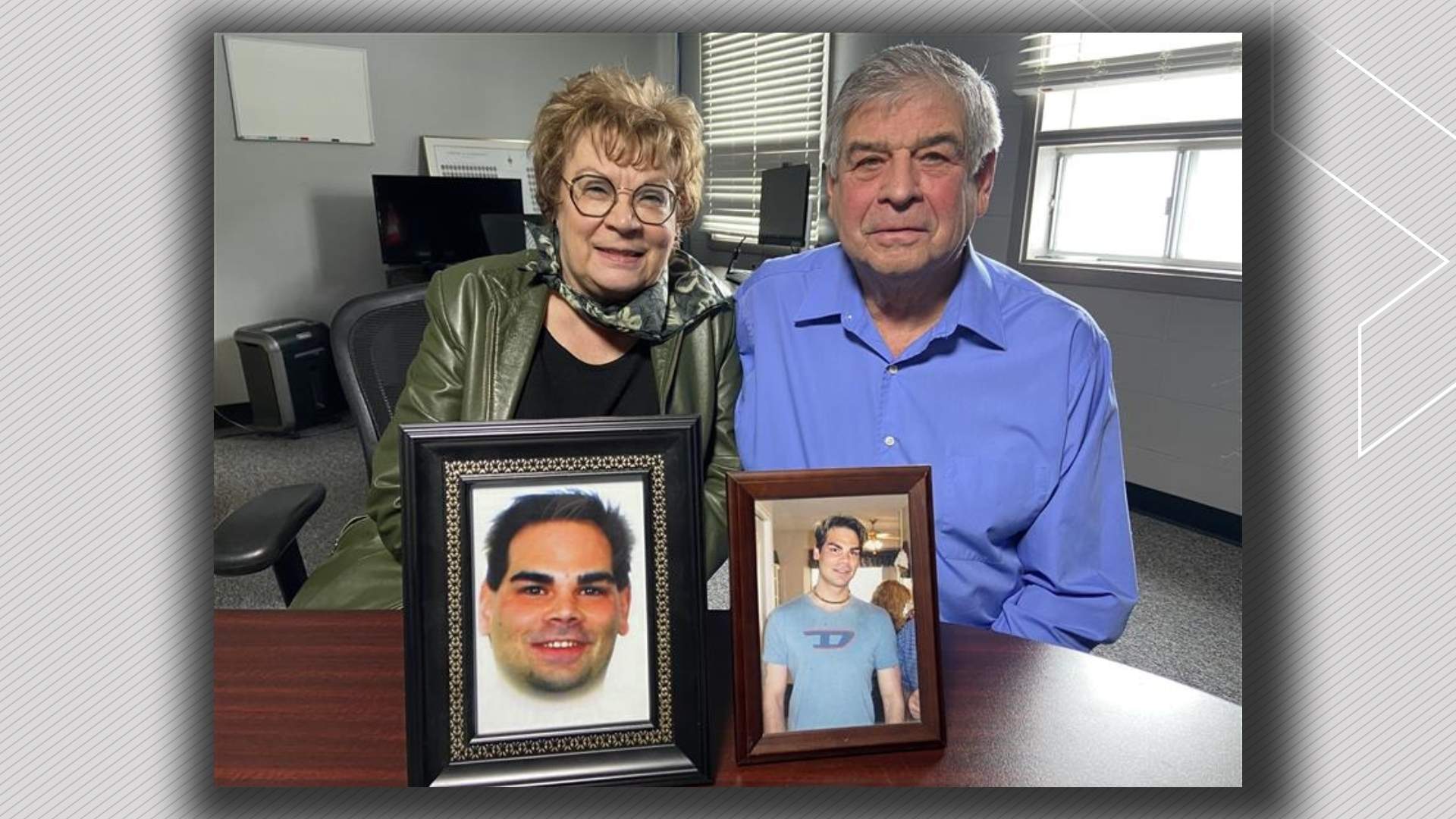
The parents of a student killed in a shooting are trying to change the rules for parole. Right now, some murderers can apply for parole again soon after being denied. The new bill would make them wait five years before they can apply again, which the parents believe is a fairer system.
This article focuses on the perspective of the parents who are advocating for the bill.
The article accurately describes the proposed change to parole eligibility.
Where this proposed law falls on the policy spectrums that Canadians care about
Choisissez vos 3 priorités pour voir comment ce projet de loi correspond à ce qui vous tient à cœur.
Inscription gratuite — 30 sCe projet de loi tente de limiter les demandes répétées de libération conditionnelle pour les personnes reconnues coupables de meurtre au premier ou au deuxième degré, ce qui pourrait réduire la souffrance des familles des victimes. Cependant, il ne tient pas compte des circonstances individuelles qui pourraient justifier un nouvel examen et pourrait surcharger le système judiciaire avec des contestations.
Things to Watch For
- Le projet de loi ne précise pas comment les circonstances exceptionnelles seront prises en compte.
- Il n'y a aucune disposition pour les délinquants qui démontrent une réhabilitation significative après le rejet initial de leur demande.
- Les coûts potentiels pour le système judiciaire en raison des contestations de cette loi ne sont pas évalués.
- Le projet de loi ne définit pas clairement ce qui constitue une "demande répétée", ce qui pourrait mener à des interprétations variées.
Click any step to learn what it means
Ce projet de loi n'a pas progressé
Loading...
Click any step to learn what it means
Ce projet de loi n'a pas progressé
Loading...
This bill was voted down and did not become law.
Connectez-vous pour rejoindre la discussion.
Chargement des commentaires...