Bill S-238 — Law Would Force Banks to Invest in Green Projects
Banks Must Invest in Green Energy
This proposed law, called the Climate-Aligned Finance Act, wants to change how banks and investment companies in Canada handle money. They would need to show how their investments and lending are helping Canada meet its climate change goals. This means they would have to report on things like how much they are investing in clean energy versus fossil fuels. The government would also create rules to make sure these financial companies are being honest about their impact on the environment. This proposed law would affect anyone who uses banks, invests money, or has a pension. It would also affect companies that need loans or investments to grow. The idea is to make sure that money is flowing towards projects that help the environment and away from projects that harm it. This could mean more opportunities for green businesses and fewer opportunities for businesses that rely on fossil fuels. This proposed law matters because it could help Canada meet its climate change targets. By making the financial system more transparent and accountable, it could encourage more investment in clean energy and other climate solutions. It also could help protect Canadians from financial risks associated with climate change, such as investments in companies that could lose value as the world moves away from fossil fuels.

Steven Guilbeault has left the Liberal party's group of politicians. This shows a growing disagreement within the party, especially about their climate change plans, and suggests they might be backing away from strong environmental policies.
This article suggests that climate policies are becoming less strong.
The article does not explain what the proposed law is about.

Former Prime Minister Justin Trudeau and his past climate ministers recently met at a private club. This gathering of key climate policy figures is important because it comes as Mark Carney, another influential person, is reportedly changing his views on climate action.
This article talks about a meeting of people who work on climate policy.
The article does not explain what the proposed law does.
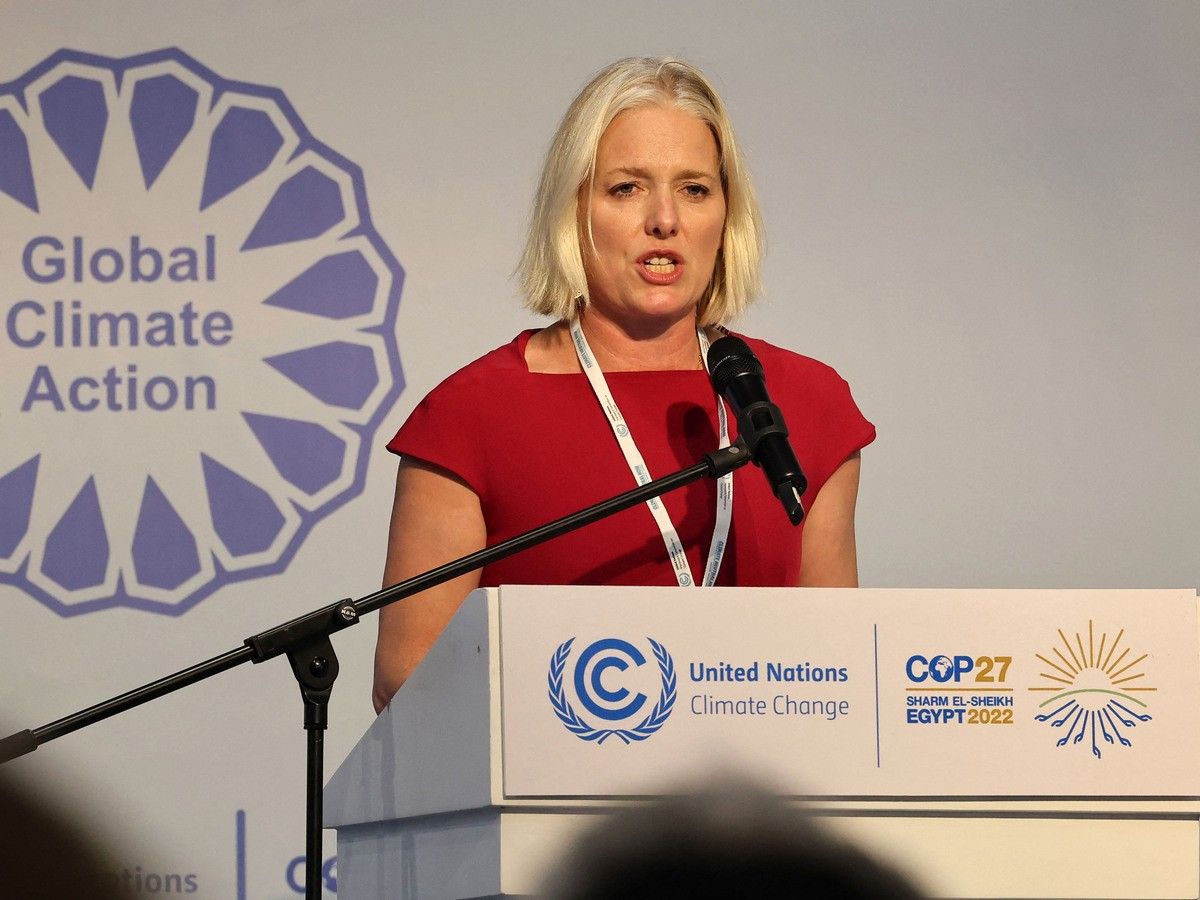
After a politician who cared a lot about climate change left his job, another former politician is asking who in the government will still fight for the environment. She worries that if people don't speak up, the government might not do enough to stop climate change. This matters because the choices the government makes affect the future of our planet.
The article focuses on concerns from politicians about the Liberal party's commitment to climate action after a cabinet change.
The article does not explain the details of Bill S-238, but the description provided is accurate.

Former government minister Steven Guilbeault plans to leave politics this summer. He wants to keep working on climate change, but in a different way outside of his current job. He will remain with the governing party until his resignation.
This article reports on Steven Guilbeault's future plans.
The article does not explain what the proposed law does.

Steven Guilbeault is expected to leave the Liberal party's group of politicians very soon. He had previously stepped down from a different government role because he disagreed with plans to undo climate policies put in place by the Trudeau government.
The article talks about a politician's reasons for possibly leaving his party.
The article does not explain what the proposed law does, so it cannot be right or wrong about the law's facts.

A leader in the Liberal party said he agrees with Mark Carney's plans for the environment. This is important because Carney is working with Alberta on climate change, and this shows there is support for those plans within the government. It suggests the federal government and Alberta may be working together more on environmental issues.
The article shares the views of a Liberal MP who supports climate-focused financial policies.
The article accurately describes the goal of the proposed law.
Where this proposed law falls on the policy spectrums that Canadians care about
Set your 3 priorities to see how this bill aligns with what you care about.
Sign up free — 30 secThis proposed law aims to make sure that financial institutions and other federally regulated entities consider climate change when making decisions. It tries to align their actions with Canada's climate goals, but it might be hard to enforce and could have unintended consequences.
Things to Watch For
- It is unclear how alignment with climate commitments will be measured and enforced.
- The law could limit investment in some sectors, potentially impacting jobs and the economy.
- The definition of 'emissions-intensive activity' is broad and could capture many industries.
- The law does not specify how Indigenous rights will be protected in practice.
- It is unclear how the law will address international activities of Canadian companies.
- The law leaves many details to be defined in future guidelines, creating uncertainty.
Click any step to learn what it means
Loading...
Click any step to learn what it means
Loading...
How likely this proposed law is to be approved
This proposed law is in the early stages in the Senate, and it's not a government bill, so it has a lower chance of passing. Climate-related laws can also be controversial, making passage less certain.

Sign in to join the discussion.
Loading comments...