Bill C-22 — Law to Let Police Look at Your Online Data
Police Access to Online Data
This proposed law, called "An Act respecting lawful access," would change how police access digital information during investigations. It would give police more power to get court orders. These orders would allow them to access data on phones, computers, and other digital devices. They could also get subscriber information, like names and addresses, from telecommunications companies. This proposed law affects anyone who uses digital devices or telecommunications services. It also affects telecommunications companies, as they would be required to provide information to the police. The law also impacts the courts, as they would be responsible for issuing the orders. This matters because it could make it easier for police to solve crimes. However, it also raises concerns about privacy. Some people worry that it could lead to government overreach and the potential for abuse of power. The proposed law tries to balance the need for effective law enforcement with the protection of individual rights.

A company called Psiphon, which helps people get around internet censorship, plans to leave Canada. They are worried about a new law, Bill C-22, that they say would force them to help the government watch what people do online. Psiphon believes this law goes against their mission to protect online privacy.
This article mostly shares the concerns of a company that helps people avoid online censorship.
The article correctly states that the law could make companies help with surveillance.

Tech companies and VPN providers are worried about a new government bill, C-22. They think it might make online security weaker, even though the government says it will protect private messages. This matters because it could affect how safe your information is online.
This article mostly shares the concerns of tech and VPN companies about the proposed law.
The article correctly states that companies are worried the bill would weaken cybersecurity.

Canada's Parliament has finished its work and gone on summer break. Before leaving, they voted to move several new laws forward more quickly. Also, the Public Safety Minister agreed to make changes to a bill about how authorities can legally access information.
This article mostly shares what the Public Safety Minister thinks about the law.
The article does not explain what the proposed law is about.

Canadian politicians are now on summer break after voting to move several new laws forward. However, a key government leader said the Senate likely won't look at the "lawful-access" bill until the fall, meaning it will be delayed.
This article only talks about when the law will be looked at next.
The article correctly states when the law will be looked at next.

The Liberal government made changes to a bill about police search powers, making it less strict. They did this quickly with many votes overnight, which made other political parties angry. Opposition MPs felt the Liberals were using their power to rush a sensitive new law through Parliament too fast.
This article focuses on concerns from opposition parties about how the law is being passed.
The article correctly states that the law is about police search powers and that changes are being made to it.

Conservative politicians are upset with the Liberal government. They say the Liberals are trying to quickly pass a controversial new law before Parliament takes its summer break, without enough time for proper debate.
This article mostly shares the Conservative party's concerns about how the law is being passed.
The article correctly names the proposed law and says it is controversial.

Ottawa is trying to quickly pass a new law, Bill C-22, by limiting how much it can be discussed. This bill would force internet and phone companies to create ways for police and Canada's spy agency to easily watch people's online activity. This move is controversial because it raises big questions about privacy.
This article mostly highlights concerns about the government's actions.
The article correctly states that the law would make companies help police with surveillance.

The Liberal government decided not to use a special rule that would have quickly stopped debate on a new bill. This bill is important because it deals with police search powers, and without the rule, more discussion can happen.
The article focuses on the government's choice to limit discussion on the law.
The article correctly states that the government tried to stop debate on the police search law.

A top person from Signal, a secure messaging app, told Canadian politicians that a new law called Bill C-22 has some very concerning ideas. They warned that Signal would leave Canada entirely if the government doesn't make big changes to this bill.
This article mostly shares concerns from a secure messaging app company.
The article correctly shows the law affects how tech companies handle user data.

DuckDuckGo, a search engine company that also offers a VPN service, might stop offering its VPN in Canada if a new law is passed. This law would force companies to give the government access to users' data. DuckDuckGo is worried about user privacy and doesn't want to comply with the law.
The article focuses on the concerns of DuckDuckGo about the proposed law.
The article accurately describes the main purpose of Bill C-22.

The Public Safety Minister really wants a new law about police search powers to pass soon. He hopes it will be done by June 19th. This means he will likely push the Senate to hurry up and approve it.
This article focuses on the public safety minister's goals and timeline for the bill.
The article correctly describes the bill's purpose of giving police more search powers.
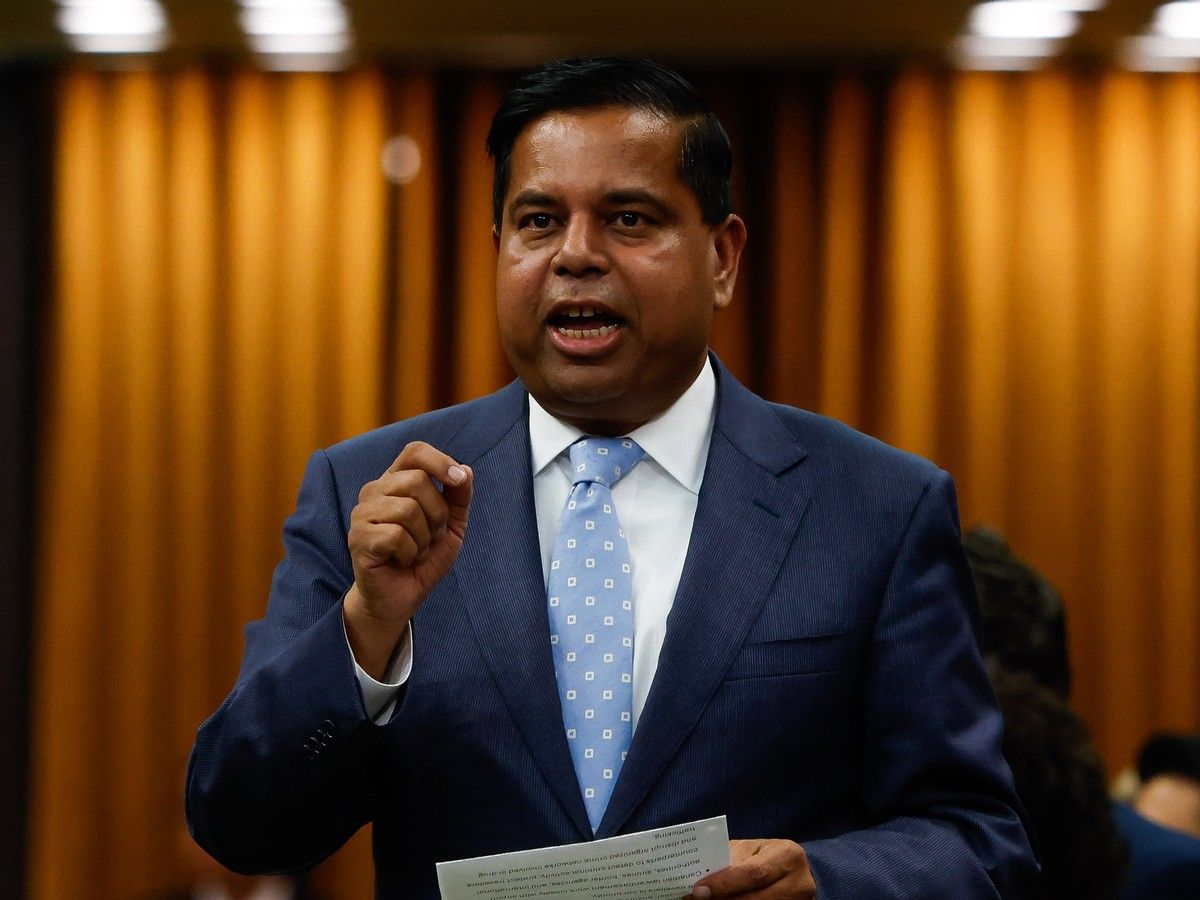
The Liberal government is changing a proposed law about police being able to access people's data. People were worried the old version didn't protect encrypted information enough. The government wants to make sure the law passes soon.
The article focuses on how the government is changing the bill because of criticism.
The article accurately describes the bill's purpose and the changes being made.

The Minister of Public Safety says they will change a proposed law called Bill C-22. People are worried the bill would weaken encryption, which keeps online information private. The government wants to make sure the law doesn't accidentally make it easier for hackers or other bad actors to access your personal data.
The article shares concerns from tech companies and civil-liberties groups about the bill.
The article correctly says the bill is about lawful access to digital devices.
Government officials are worried that a new bill called C-22 might not pass. This bill would give spy agencies more power to access people's online information. Without it, the spy agency says it will be harder to protect Canada from threats and work with other countries.
This article presents the perspective of the Canadian spy agency and mentions growing opposition to the bill.
The article accurately describes the main purpose of the proposed law.

Canada's spy agency says they need more power to access information for international investigations. A new bill could force tech companies to share data with police and CSIS. This has people worried about their privacy.
This article shares the perspective of CSIS and law enforcement regarding the need for the proposed law.
The article accurately describes the main purpose of Bill C-22 and its potential impact on privacy.
Canada's spy watchdog group wants more power to oversee a new law that would allow police to access people's online data. They think they need more oversight to make sure the law isn't misused and to build trust with Canadians. This is important because it affects how much privacy people have online.
This article shares the concerns of the National Security and Intelligence Review Agency about the proposed law.
The article correctly describes that the proposed law would give police more power to access digital devices with court orders.

Some politicians in the United States are worried about a new Canadian law that would let police access people's online information more easily. They think this law could make it harder to stop hackers and protect people's private information in both Canada and the U.S. This is important because it shows that laws in one country can affect the security of another.
This article focuses on the concerns of the U.S. Congress regarding the potential risks of Bill C-22.
The article accurately describes that Bill C-22 would give police more power to access digital information with court orders.
A Canadian soldier is suing the government and a gun company because his gun went off by itself while in its holster. The soldier says this accident ended his career. This lawsuit raises questions about how safe these guns are, as there have been similar problems reported in the United States.
This article focuses on a lawsuit from a soldier and does not discuss Bill C-22.
The article does not discuss Bill C-22, so accuracy is not applicable.

A new law in Canada, Bill C-22, could let the police look at your private information more easily. Some worry this could invade your privacy, because police might not always need a warrant to access your data. This change could affect how much control you have over your personal information.
This article focuses on the concerns of a lawyer about privacy and police powers related to the bill.
The article accurately describes the main points of Bill C-22.
Where this proposed law falls on the policy spectrums that Canadians care about
Set your 3 priorities to see how this bill aligns with what you care about.
Sign up free — 30 secThis proposed law aims to update how police and other officers can get digital information for investigations, like computer data and details about who uses a phone or internet service. It makes it easier for officers to get some types of information, but it also raises concerns about how much personal data can be accessed and how long people might not know their information was looked at.
Things to Watch For
- The new rules allow police to get some personal information with a lower standard of proof, which might mean more people's data is accessed.
- Police officers can order companies not to tell you they've been asked for your information for up to a year, without a judge's approval first.
- You might not find out that police looked at your computer data for up to three years after it happened.
- The law does not clearly define what 'reasonable grounds to suspect' means, which could lead to different interpretations.
- It's unclear how effective the new powers will be for getting information from companies located in other countries.
- The broad definition of 'subscriber information' could allow access to many details about your digital life, even without knowing the content of your communications.
Click any step to learn what it means
Loading...
Click any step to learn what it means
Loading...
How likely this proposed law is to be approved
This proposed law was put forward by the government, and government proposed laws usually pass. It has already passed an important early vote and is now being carefully reviewed by a committee, which means it's well on its way to becoming law.

Sign in to join the discussion.
Loading comments...